

BlueWave Field Notes
BlueWave Field Notes
Better Days on the Water Begin with Better Preparation
Time on the water can feel effortless: a quiet paddle at sunrise, an afternoon swim, or a full day of outdoor recreation with friends and family. Yet the most memorable experiences often begin well before anyone reaches the shoreline.
At BlueWave, we believe confidence outdoors comes from thoughtful preparation, practical knowledge, and equipment suited to the activity ahead. BlueWave Field Notes is where we share useful guidance and simple ideas designed to help you enjoy more comfortable and rewarding days on and around the water.
Field Notes
Five ideas for a more considered day outdoors
Preparation is not about making the day complicated. It is about reducing uncertainty, supporting comfort, and creating more space to enjoy the experience.
Read the conditions
Review weather, wind, access points, currents, tides, and local guidance before leaving.
Match the equipment
Choose equipment around the activity, environment, trip length, and experience of each participant.
Plan for comfort
Pack hydration, sun protection, suitable layers, secure footwear, and dry storage.
Build skills gradually
Begin in calm water, practice essential movements, and become familiar with equipment before going farther.
Leave room to enjoy
Keep the plan flexible and allow everyone to move, rest, and explore at a comfortable pace.
01 · Conditions
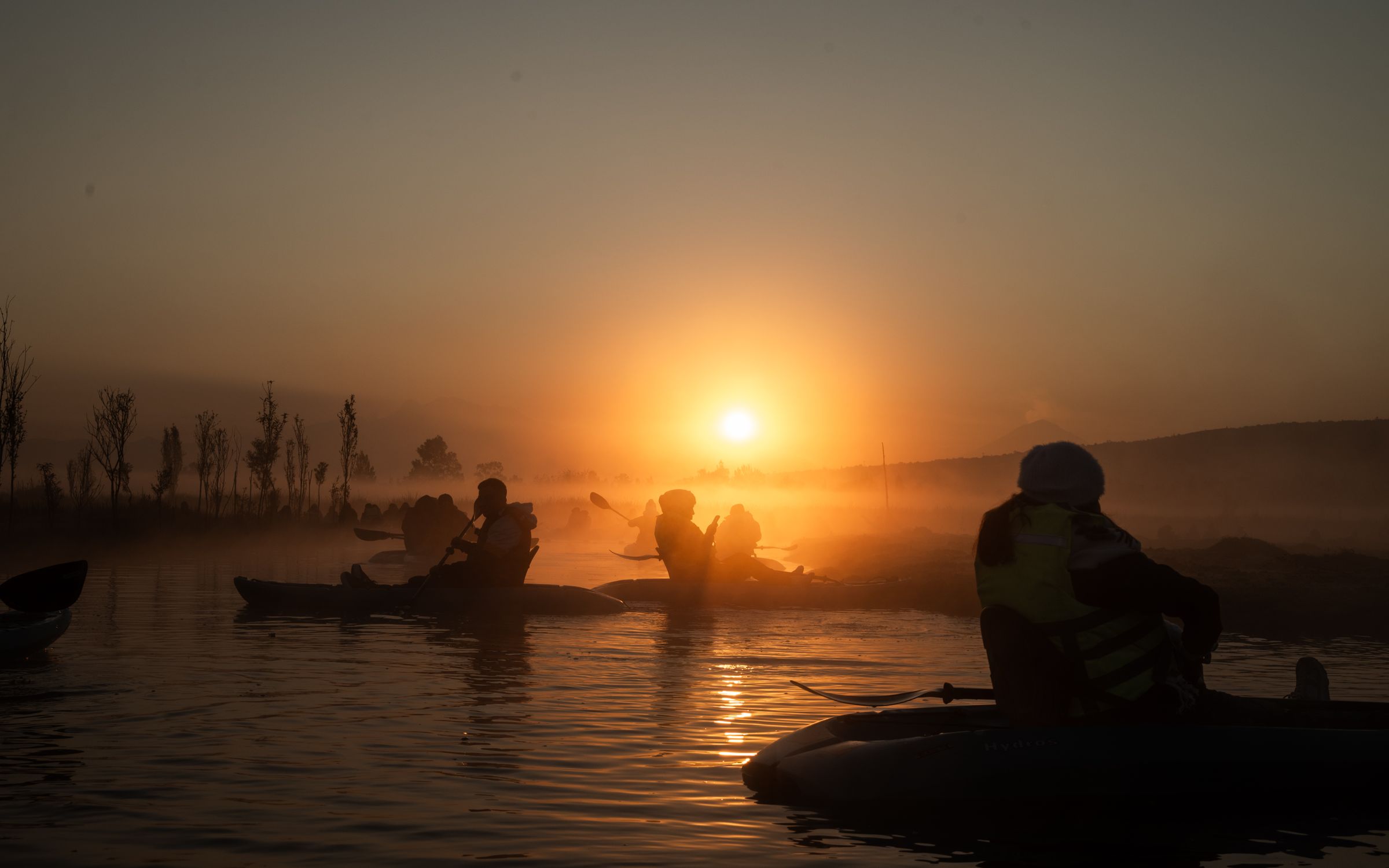
Start with the conditions
Every body of water has its own character. A protected lake may feel calm in the morning and become windy later in the day. Coastal areas can change quickly with tides, currents, and shifting weather. Rivers may contain shallow sections, obstacles, or stronger flows than expected.
Before leaving, review the local forecast and learn about the area you plan to visit. Pay attention to wind speed, temperature, water conditions, tide information, and available access points. Local guidance can also help you understand seasonal restrictions or equipment requirements.
A flexible plan is often better than a fixed one. Choosing a shorter route or calmer location can make the day more enjoyable when conditions are less predictable.
02 · Equipment
Match your equipment to the activity
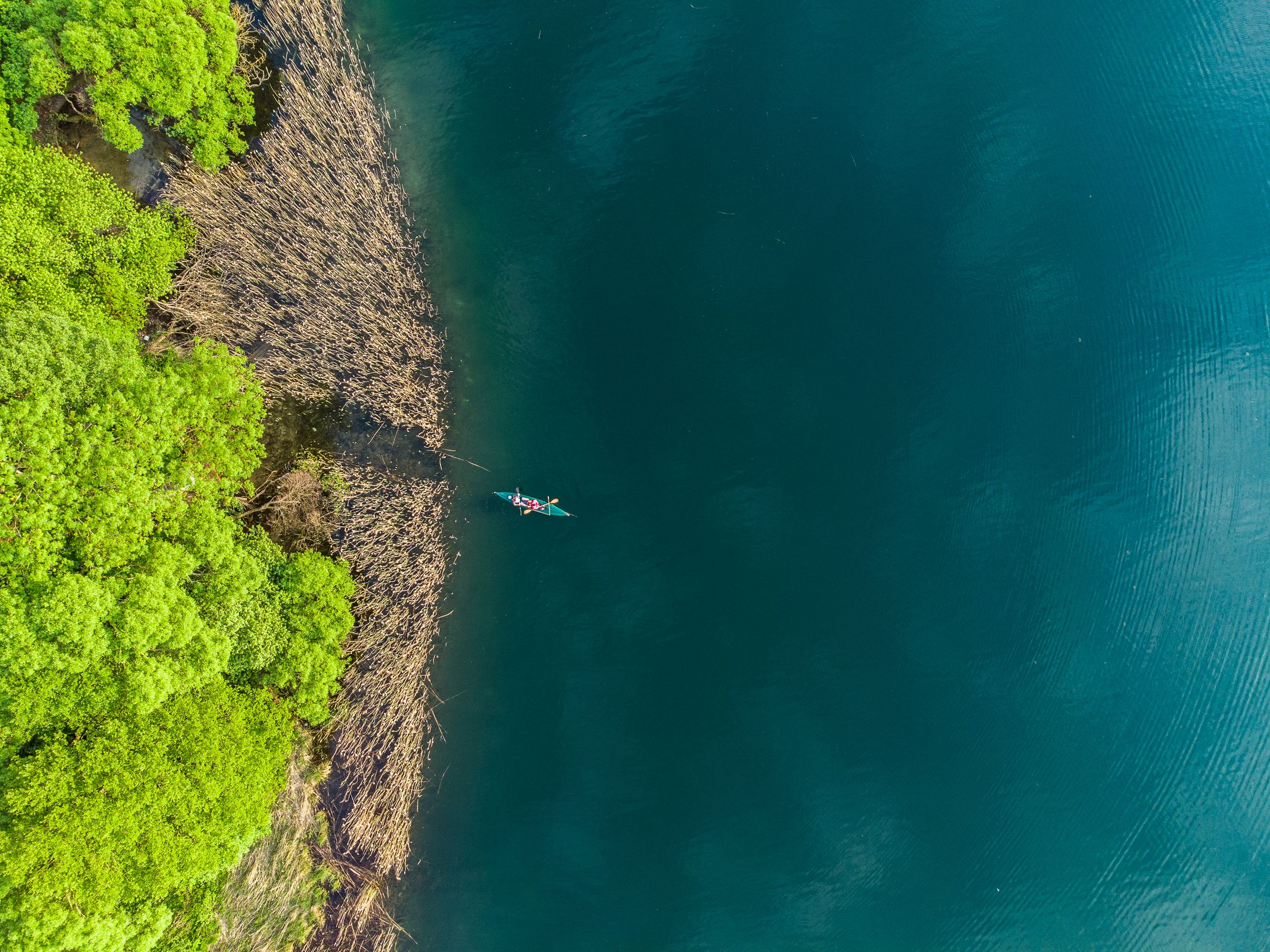
Good equipment should support movement without creating unnecessary complexity. A recreational paddler may prioritize stability and convenient storage, while someone planning a longer outing may need additional carrying capacity, sun protection, and repair essentials.
Before each trip, check the condition of your equipment. Inspect valves, straps, buckles, fins, paddles, masks, snorkels, tow ropes, and personal flotation devices. Confirm that everything fits correctly and works as intended.
Small accessories can also make a noticeable difference. Dry bags, waterproof phone protection, reusable water bottles, repair kits, and secure storage straps help keep important items organized and protected.
03 · Comfort
Pack around comfort, not only performance
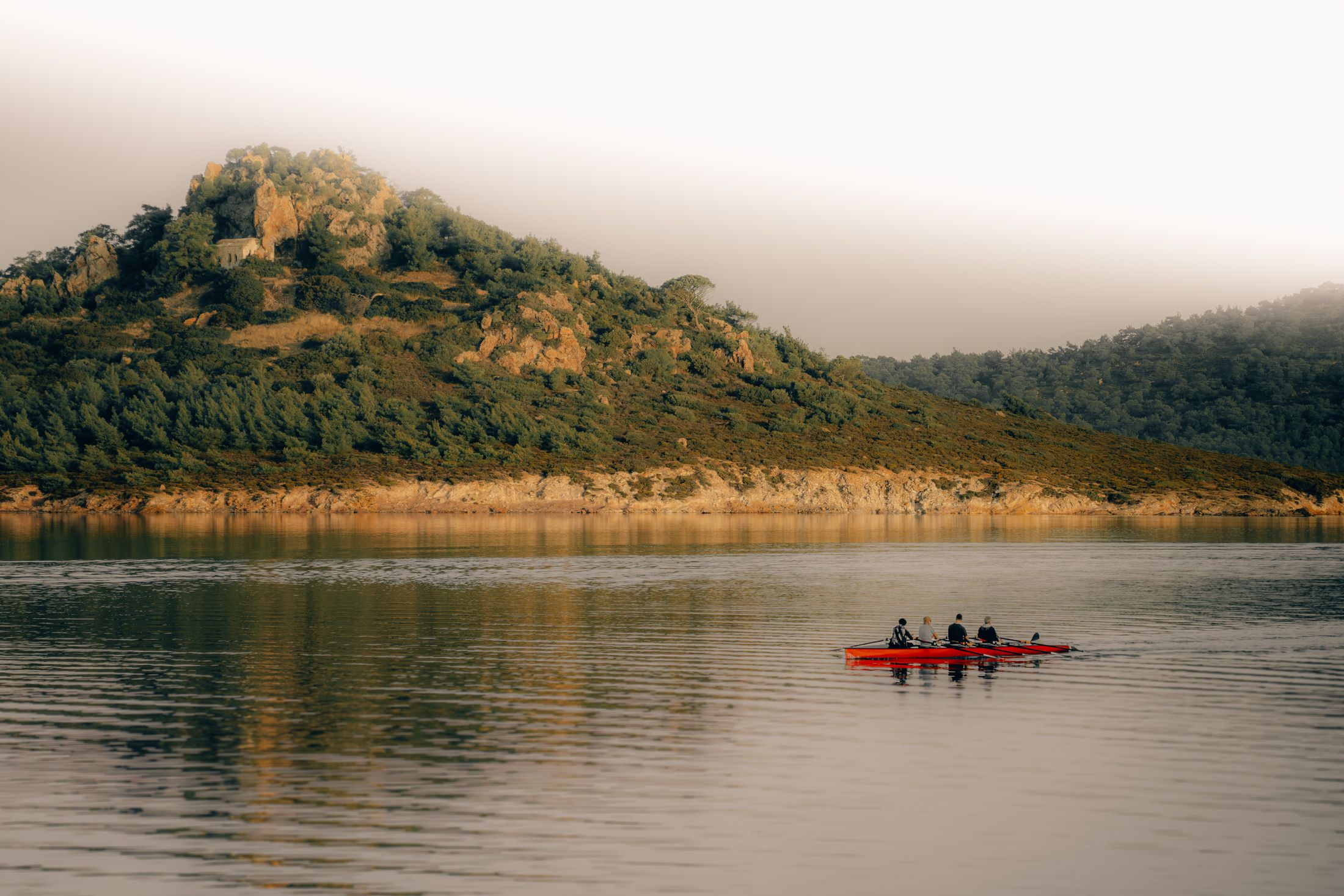
Outdoor comfort affects how long you can stay focused and enjoy the experience. Bring suitable clothing for both air and water temperatures. Quick-drying layers, secure footwear, sun protection, and an extra dry layer can help you adapt throughout the day.
Hydration and food should also be part of the plan. Water activities can be physically demanding even when they feel relaxed. Pack enough drinking water and easy-to-carry food for the length of your outing.
When planning for a family or group, consider individual needs rather than using one setup for everyone. Equipment should be appropriately sized, and each person should understand how to use it before entering the water.
04 · Confidence
Build confidence gradually
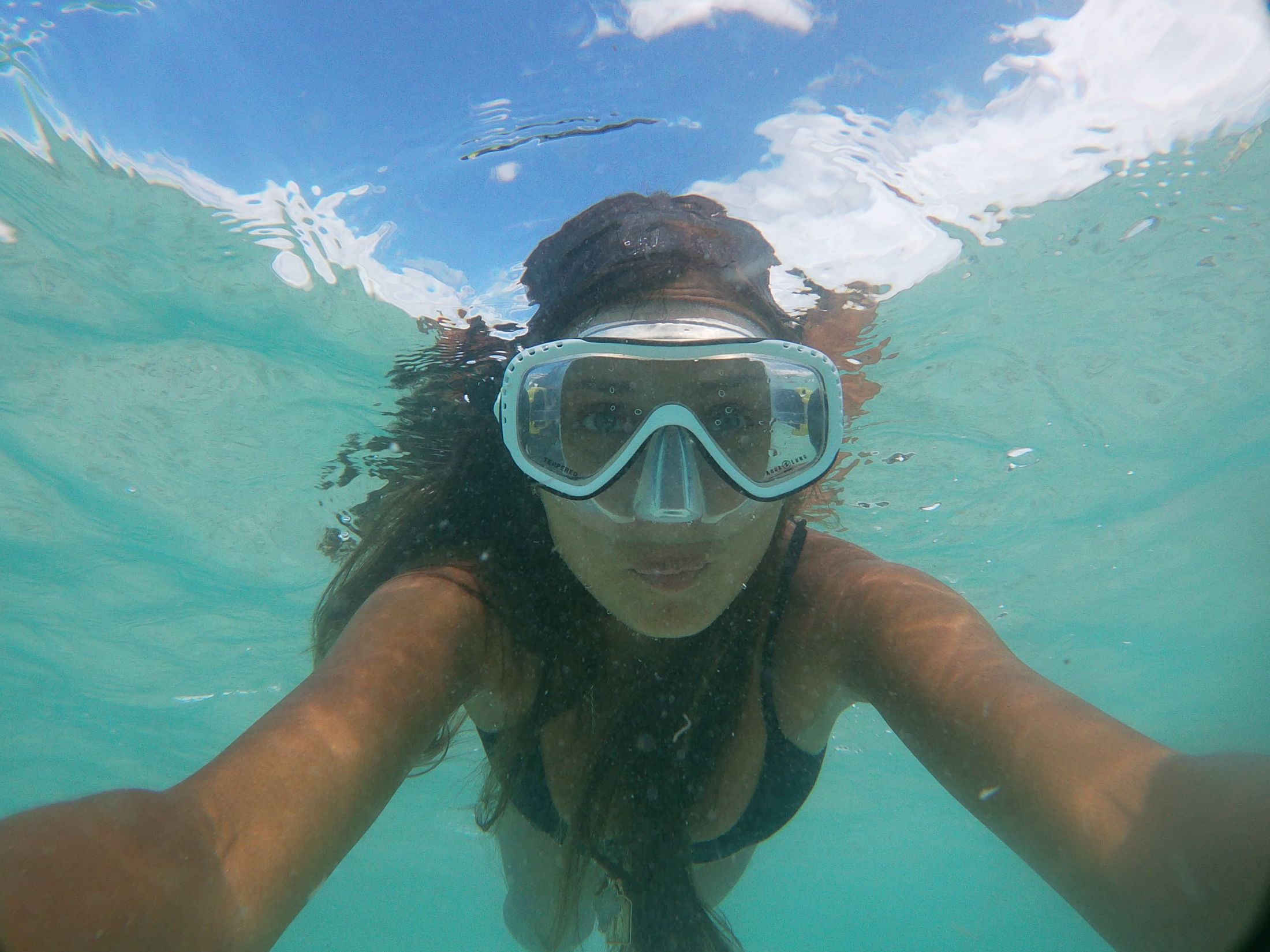
Progress outdoors does not need to be rushed. New paddlers, swimmers, and water-sports participants often benefit from beginning in calm, controlled environments. Practicing basic movements close to shore can make more advanced outings feel natural later.
Learn how to enter and exit safely, adjust your equipment, recover after falling into the water, and communicate with others in your group. These basic skills create a stronger foundation than simply focusing on speed or distance.
Confidence comes from familiarity. The more comfortable you are with your equipment and surroundings, the easier it becomes to respond calmly when conditions change.
05 · Perspective
Leave room to enjoy the moment
Preparation should not make an outdoor day feel complicated. Its purpose is to remove distractions so you can focus on the experience itself.
Pause to notice the water, the landscape, and the people sharing the day with you. Take photographs without turning the outing into a schedule. Explore at a pace that allows everyone to feel comfortable.
The best days on the water are not always the longest or most ambitious. They are the days that feel balanced, considered, and worth remembering.
Continue with BlueWave
Prepare well, move confidently, and enjoy the water at your own pace.
BlueWave Field Notes will continue to explore practical equipment guidance, activity ideas, product care, and thoughtful ways to spend more time outdoors. Wherever your next day takes you, choose a setup that supports the conditions, the activity, and the people sharing the experience.