

The BlueWave Journal
Clearer preparation. Better water days.
Thoughtful field notes for paddle sports, boating, swimming, underwater exploration and relaxed waterfront recreation. Each story is designed to help you observe the setting, prepare practical equipment and move through the day with greater comfort and awareness.
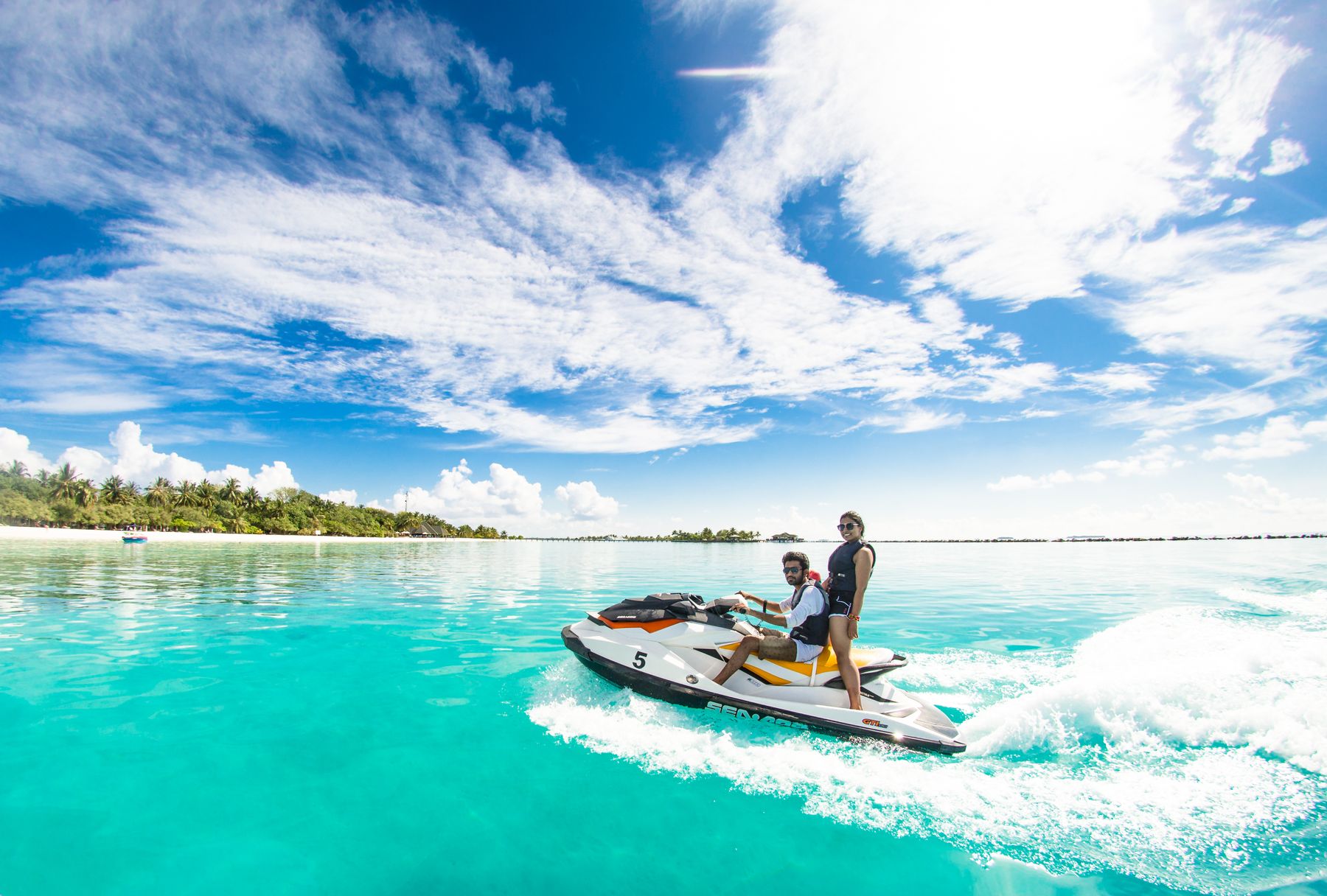
Conditions, access, equipment and personal comfort all shape the rhythm of a water day.
Editorial Compass
A calmer way to approach the shoreline
BlueWave journal stories are organized around three practical habits: observing the environment, preparing equipment with purpose and caring for what travels with you.
Observe before moving
Look at wind, water movement, access points, boat traffic, temperature and the pace of the group before equipment enters the water.
Prepare with purpose
Match flotation, storage, inflation, repair and activity equipment to the actual location, duration and experience level of the day.
Care between sessions
Rinsing, drying, inspecting and storing equipment thoughtfully helps keep the next outing organized and easier to prepare.

Featured Field Note
Preparation begins before the shoreline
A comfortable session is often shaped by the decisions made before departure. Consider how the activity, environment and equipment fit together rather than treating each item as a separate choice.
Separate relaxed floating, paddle travel, swim training, snorkeling and towable recreation so the equipment plan remains specific.
Consider water temperature, entry conditions, wind, visibility, current, distance and local activity guidance.
Review flotation, straps, closures, valves, ropes, dry storage and repair items before leaving home.
Journal Stories
Notes for different ways of meeting the water
Paddle, surf, swim and leisure sessions each have a different pace. These editorial themes keep preparation grounded in the activity rather than in a one-size-fits-all checklist.
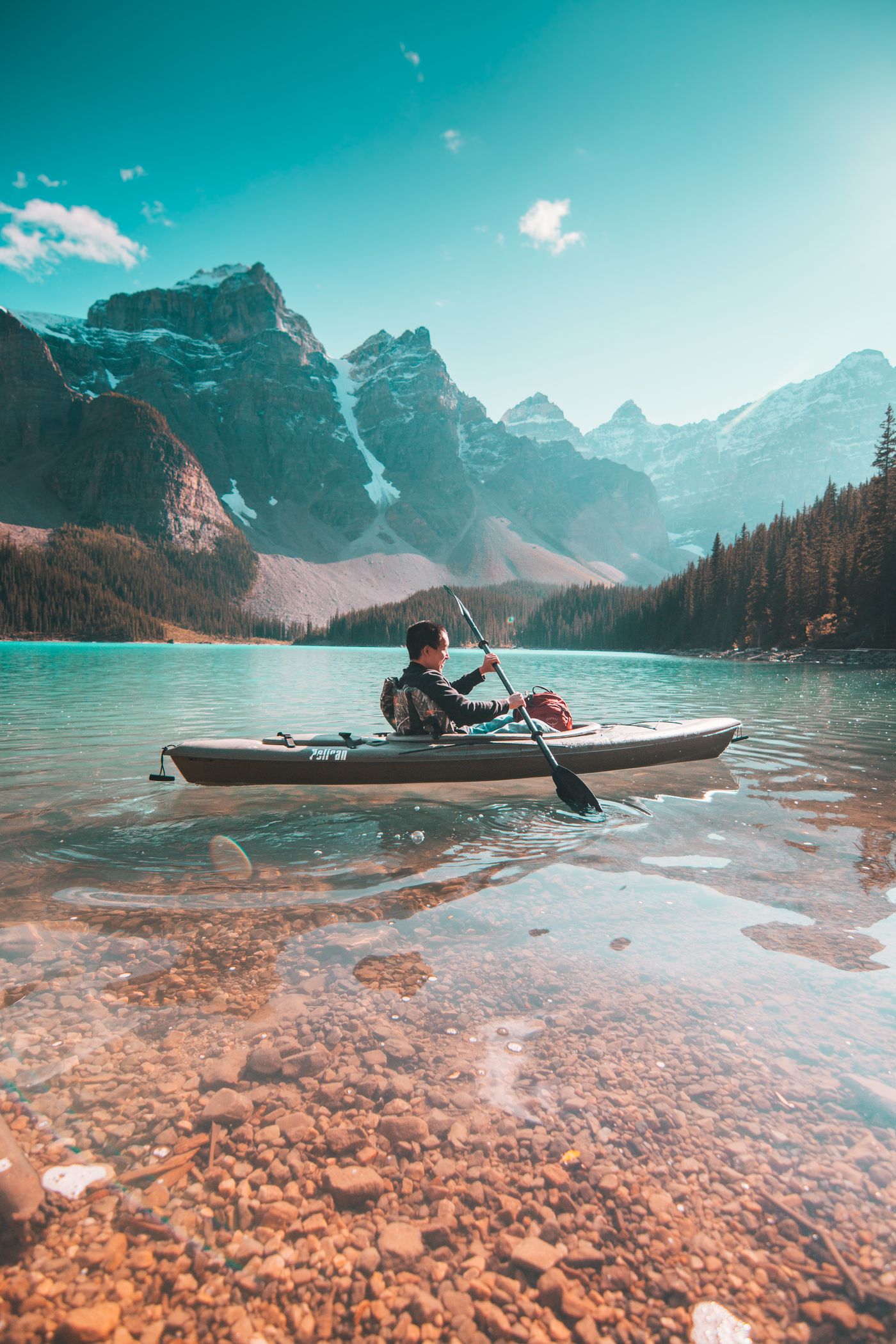
Paddle Sports & Boating
Read the water before you launch
A practical look at access points, wind direction, equipment balance, dry storage and the small pre-launch checks that support a smoother paddle session.
Environment first, equipment second
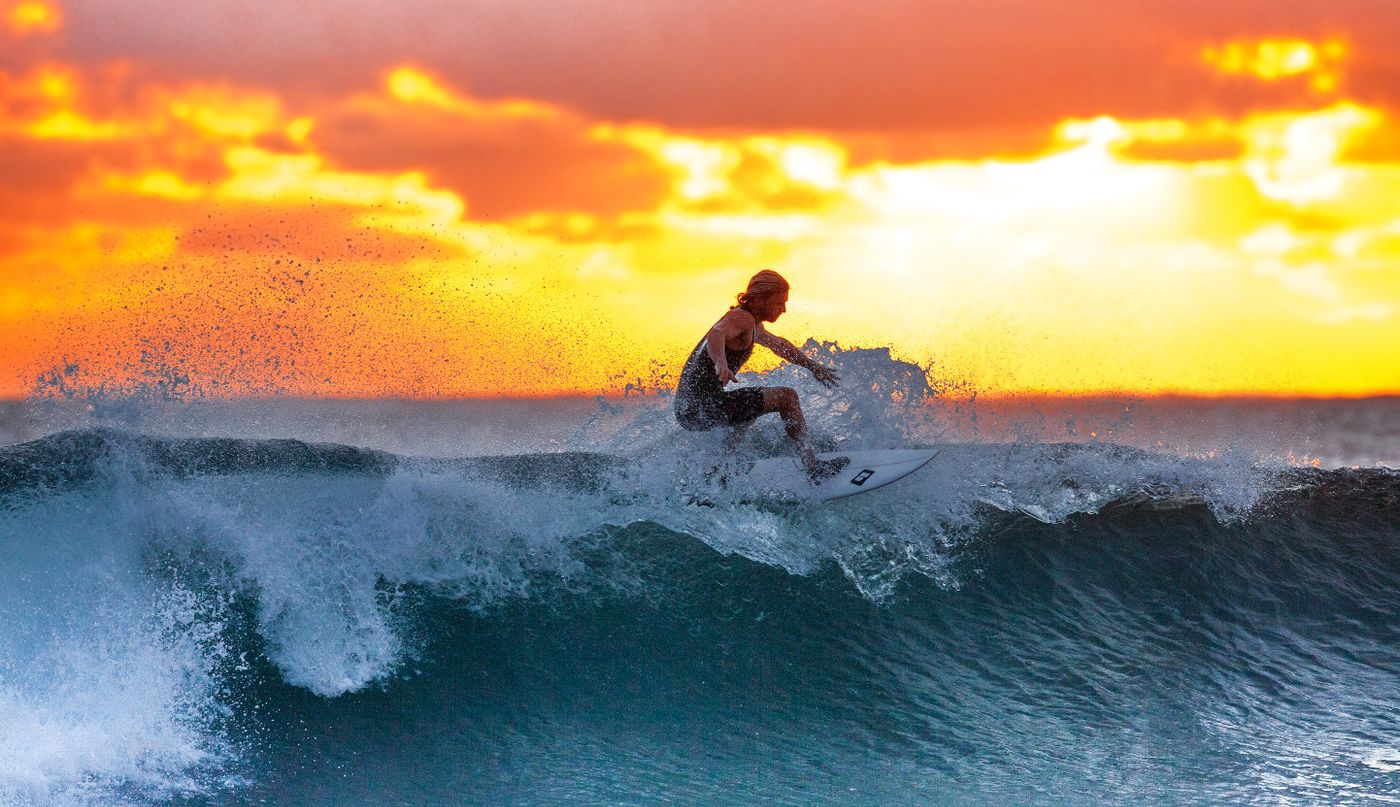
Surfing & Water Recreation
Comfort builds a better session
Foot protection, secure connections, suitable flotation and a realistic activity plan can help a group stay focused on movement rather than constant equipment adjustment.
Fit the setup to the activity
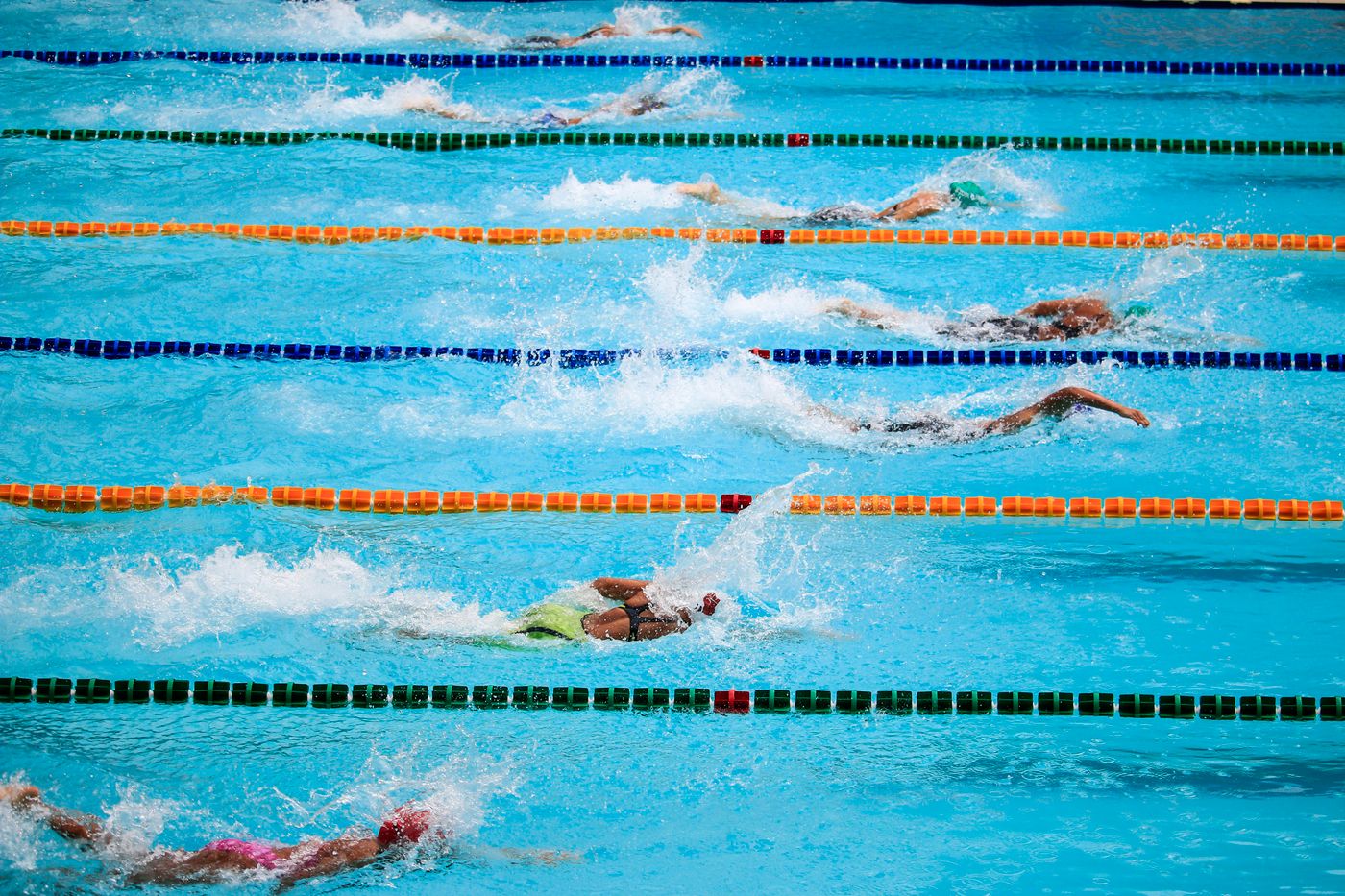
Storage & Equipment Care
Care for the time between water days
Rinsing, drying and inspecting equipment before storage creates a clearer starting point for the next paddle, swim, boating or waterfront leisure day.
A simple routine for easier preparation
Field Notes
A practical rhythm for every outing
Preparation does not need to feel complicated. A short sequence can help keep attention on the setting, the people involved and the equipment that supports the activity.
Review daylight, local conditions, access hours and the expected length of the session.
Consider water temperature, wind, visibility, depth, current and nearby vessel activity.
Organize dry storage, phone protection, drinking water, personal items and basic maintenance tools.
Rinse when appropriate, allow equipment to dry and inspect closures, valves, ropes and connection points.
How should I begin choosing equipment for a new activity?
What belongs in a basic waterproof storage plan?
What should I inspect before using inflatable equipment?
How should equipment be handled after saltwater use?
Does equipment replace awareness and activity judgment?
Continue with BlueWave
Carry a clearer plan to the shoreline
Explore equipment across paddle sports, boating, swimming, diving, water recreation, safety, waterproof storage, inflation and practical product care.
Clear shipping expectations for your order.
Reach the BlueWave team through the contact page.
Equipment organized around real ways of enjoying the water.